






Unilateral hearing loss (hearing loss in one ear)

What is unilateral hearing loss?
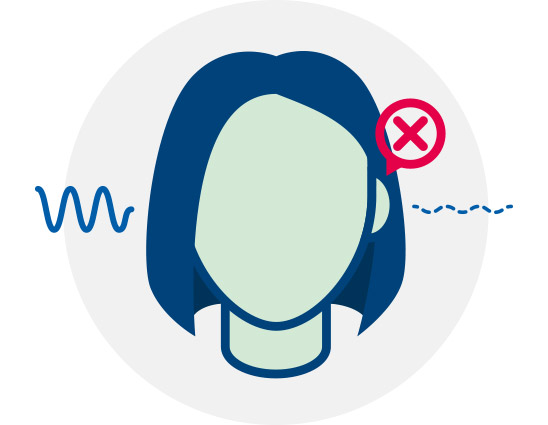
Unilateral hearing loss (UHL) is when a person experiences normal hearing in one ear and hearing loss in the other ear. In contrast, bilateral hearing loss is when hearing loss is experienced in both ears.
Unilateral hearing loss, sometimes referred to as single-sided deafness (SSD) or deafness in one ear, is a form of hearing loss that affects millions of people all around the world.

Book a free test for unilateral hearing loss


Symptoms of unilateral hearing loss


Causes of hearing loss in one ear
There are a number of recognised causes of unilateral hearing loss, including:
- Mastoiditis
- Mumps
- Waardenburg syndrome
- Ménière's disease
- Meningitis
- Microtia
- Labyrinthitis
- Measles
- Acoustic neuroma
- Physical trauma

Treatment for hearing loss in one ear
There are many effective treatment options for unilateral hearing loss available, although the results of treatment depend on a broad range of factors and circumstances.
Typical treatments include:
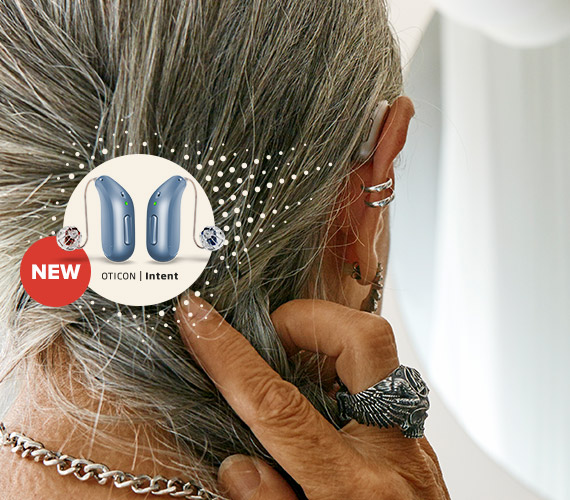
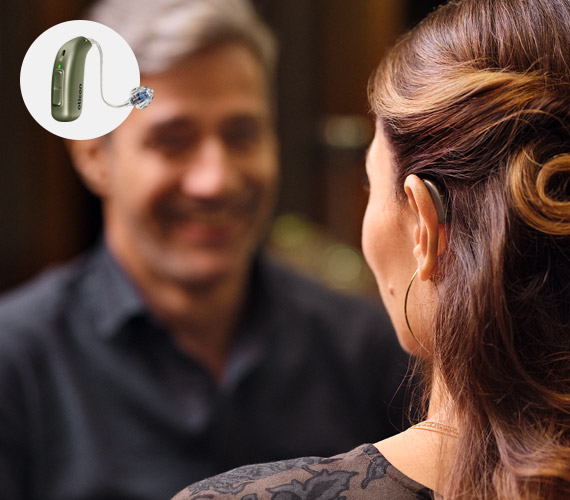
- Hearing aids
- Bone anchored hearing systems
- Cochlear implants
Book a hearing test to learn about your hearing needs and discuss potential treatment options with a hearing care expert.
Conductive vs. sensorineural unilateral hearing loss
Unilateral conductive hearing loss
Conductive hearing loss occurs when sounds cannot pass freely through the eardrum or past the tiny bones, known as ossicles, in the middle ear. This is due to a breakdown in the effectiveness of sound waves being sent from the outer ear.
Conductive hearing loss
Unilateral sensorineural hearing loss
Sensorineural hearing loss, on the other hand, occurs when there is damage to the hair cells in the cochlea (found in the inner ear) or to the nerve pathways which lead from the inner ear to the brain. A person may also suffer from mixed hearing loss, which is a combination of conductive and sensorineural hearing loss.
Sensorineural hearing loss




.png?rev=67e9b630deff4f4e80cbb4a45ab02d1b)
FAQ

Last reviewed 2025-07-01